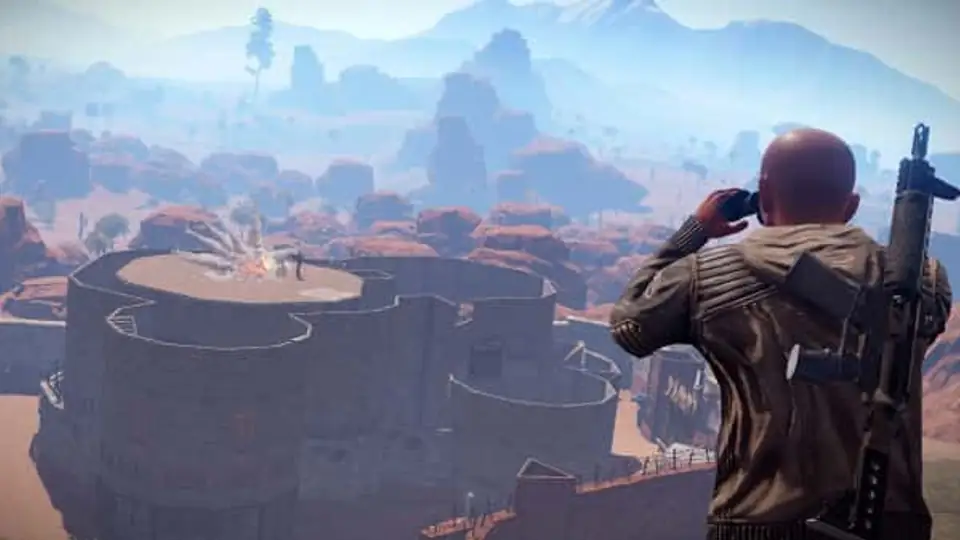
Early Game Survival and Progression
Rust's early game is the most dangerous period. Naked players with rocks and torches are easy targets, and prioritizing a hidden starter base over early pvp engagements is the fastest path to meaningful gear. Stone walls and a single door code lock represent the minimum viable base for overnight survival.
The tech tree progression in Rust requires scrap collected from barrels, monuments, and crates. Knowing which blueprints to unlock first — generally tools, weapons, and building upgrades before cosmetics — accelerates your ability to compete. Additional game information on early game routing and scrap-efficient tech tree progression covers starter priorities in depth.
Base Design and Raiding
Base design in Rust must account for both interior complexity and exterior vulnerability. Honeycomb structures reduce the effectiveness of direct raids by adding layers of walls between the outer shell and your loot storage. Bunker designs that require multiple unique code inputs add further cost to raids.
Understanding raid costs — how many explosives, rockets, or pickaxes it takes to break your walls — helps you build in ways that are economically unattractive to raid compared to the potential loot value inside.
- Build honeycomb walls around your main loot room
- Keep external starter loot in sacrificial boxes near the door
- Use tool cupboard placement to block external builds